Why MOQ Exists in the First Place
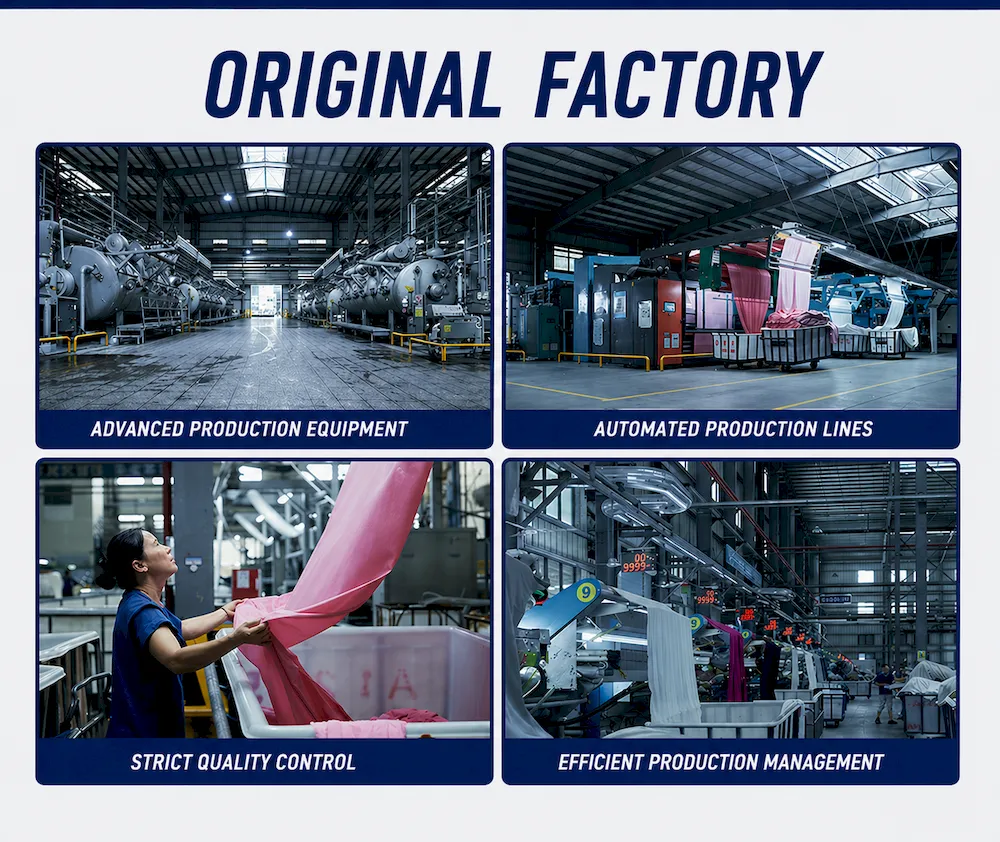
Minimum order quantities frustrate new brands more than any other factory requirement — and yet every manufacturer has them for practical reasons. Fabric mills sell by the kilo and often dye to order: one custom color typically means 300–500 kg of fabric minimum. A production line calibrated for cutting and sewing loses hours on every style change. Accessories like custom labels, zippers and drawcords are also produced in batches. When a factory quotes an MOQ, it is protecting a production efficiency that keeps your unit price reasonable.
Understanding this changes the conversation. Instead of asking a factory to “go lower”, the smarter question is: which decisions in my design are driving the minimum, and which of them can I change?
Typical MOQ Ranges by Garment Type
Among Chinese manufacturers working with small and growing brands, realistic ranges look like this:
- T-shirts and tanks: 50–100 pieces per design
- Hoodies and sweatshirts: 80–200 pieces per design, depending on fabric availability
- Custom-dyed colors: add 300–500 kg of fabric MOQ per color unless the mill has stock
- Full custom patterns: higher than modified blanks, because pattern-making and grading are amortized over the run
Factories that advertise “no MOQ” are usually reselling blanks with printing — a different business model with different trade-offs in customization and margin.
Five Proven Ways to Lower Your First Order
1. Start from stock fabric
Choosing a factory’s in-stock fleece in a near-match color eliminates the dyeing MOQ entirely. The difference between your perfect Pantone and the nearest stock shade is often invisible on the finished garment.
2. Consolidate colors
One style in two colorways at 50 pieces each usually beats two styles in one color — cutting and sewing efficiency improves when the fabric is shared.
3. Keep trims standard
Custom drawcords, custom zippers and woven neck tapes all carry their own minimums. Use stock trims for the first run and upgrade once the style proves itself.
4. Simplify the first drop
A focused capsule of one or two styles in more units gives the factory a cleaner run and gives you better pricing — and better stock management — than a wide, thin assortment.
5. Negotiate the split
Many factories accept a lower first MOQ against a commitment for a second run, or a slightly higher per-unit price. Flexibility exists; it simply has a price.
MOQ and Unit Price: The Trade You Are Making
Unit price falls steeply as volume grows, then flattens. Moving from 50 to 200 pieces of the same hoodie might cut the unit price by 25–35%; moving from 500 to 2,000 pieces rarely moves it more than 8–12%. The lesson for small brands: fight for a workable MOQ, not for bulk pricing. Margin is won with positioning and sell-through, not with the last 10% of unit cost.
Ready to Start Your Custom Clothing Order?
Get factory-direct pricing, low MOQ and professional OEM/ODM support. Tell us about your project — our team replies within 24 hours.
Get a Free Quote
Frequently Asked Questions
What is the lowest MOQ for custom hoodies in China?
With stock fabric and standard trims, 50–80 pieces per design is realistic. Custom-dyed colors raise the minimum substantially.
Can I mix sizes within the MOQ?
Yes. MOQ counts total pieces per design, so an 80-piece order can be split across S–XXL in whatever ratio your market needs.
Is a higher MOQ always cheaper per unit?
Generally yes, but the curve flattens. Beyond a few hundred pieces, savings come mainly from fabric utilization, not headcount.
Start Where You Are
MOQ should be a planning number, not a wall. Tell a factory what you can realistically sell and let them engineer a specification to fit it — that is how long-term brand/supplier relationships start. If you are sizing up a first order, our FAQ page covers MOQ details by garment type, and our custom manufacturing service page explains how we structure small first runs for growing brands.